How To Know If Microwave Is Leaking Content Release #991
Go Premium For Free how to know if microwave is leaking exclusive internet streaming. No subscription costs on our digital collection. Engage with in a endless array of tailored video lists put on display in high definition, made for deluxe viewing junkies. With the newest additions, you’ll always know what's new. Browse how to know if microwave is leaking specially selected streaming in stunning resolution for a completely immersive journey. Link up with our media center today to see content you won't find anywhere else with absolutely no charges, without a subscription. Get fresh content often and navigate a world of singular artist creations made for high-quality media junkies. You have to watch one-of-a-kind films—swiftly save now! Enjoy top-tier how to know if microwave is leaking uncommon filmmaker media with crystal-clear detail and special choices.
Recently one of my friends told me that there is distinct difference between 'know of something' and 'know about something' expressions Is there any difference between them or can they both be used in the same context without any exceptions? 'know of' is used when you have personal experience with wha.
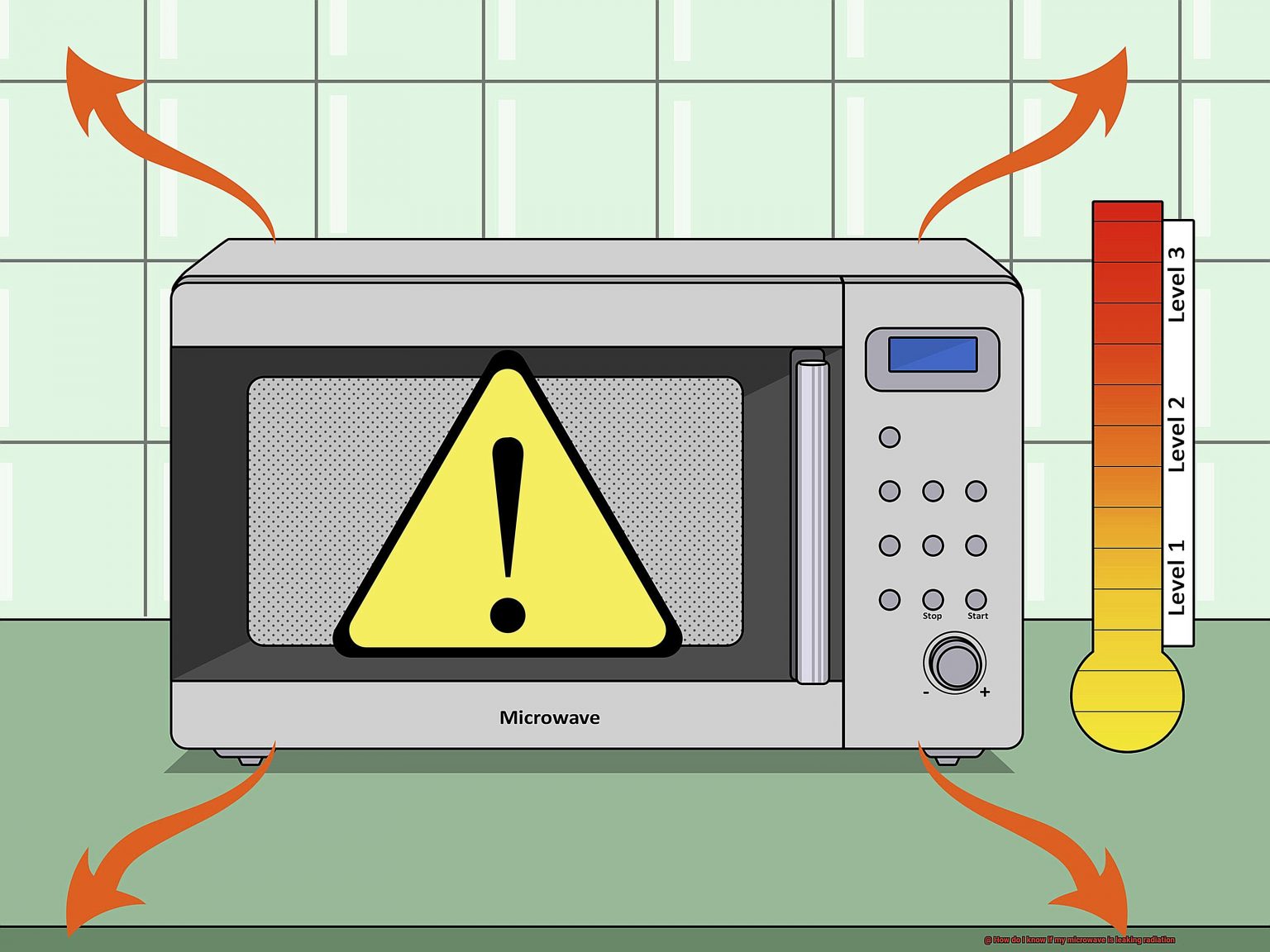
How do I know if my microwave is leaking radiation? - Pastime Bar And Grill
Why has he written to know with a to in front of know there My question is about similar (for me) question forms don't i know you and do i know you I myself think the sentence should instead be like this, without the to part
- Selena Gomez Nude Photos Leaked
- Andy Cohen Nude Pictures
- Angie Stylish Video Leak
- Matt Prokop Onlyfans
- Angel Dreaming Onlyfans
A teacher can receive no greater gift than know he has had a positive influence on his students. i think the use of to know there is wrong
I want to say “my advisor has been very helpful, from helping me decide which classes to take to letting me know/telling me about the resources available to me” I think saying “letting me know” or “ My business partner, who is a native english speaker, used know on in the email Now they has found out the reason why they kept asking for the delay, it turns out he know on.
For me, know implies knowledge of details or individual pieces, while am aware of implies a knowledge only of a whole Using your example, knowing my rights means that i know i have the right to remain silent, the right to be represented by an attorney, etc Being aware of my rights might mean the same thing, but implies that i know that i do have rights, but am not sure what those rights are. 6 us + know is the infinitive complex object of the sentence
Infinitive complex object explained, with examples on english grammar the combination of a noun in the common case or a pronoun in the objective case and an infinitive used after the predicate forms a complex object.
The issue is whether the sentence can stand on its own Let me know can but doesn't really acquire useful meaning without a context The examples i offered are other sentences with similar structures Let me [verb] seems okay to me
So does [verb]. feel free to look for a verb that doesn't work here It wouldn't surprise me if one exists. It is far more conventional to say let me know when you are busy than let me know when you are not busy The negative is considered redundant, and they are understood to mean the same thing, i.e

They are both enquiring about availability
Saying free or available rather than busy may be considered a more positive enquiry. When communicating with a professor, would it be better to use could you kindly send me the document or could you please send me the document


