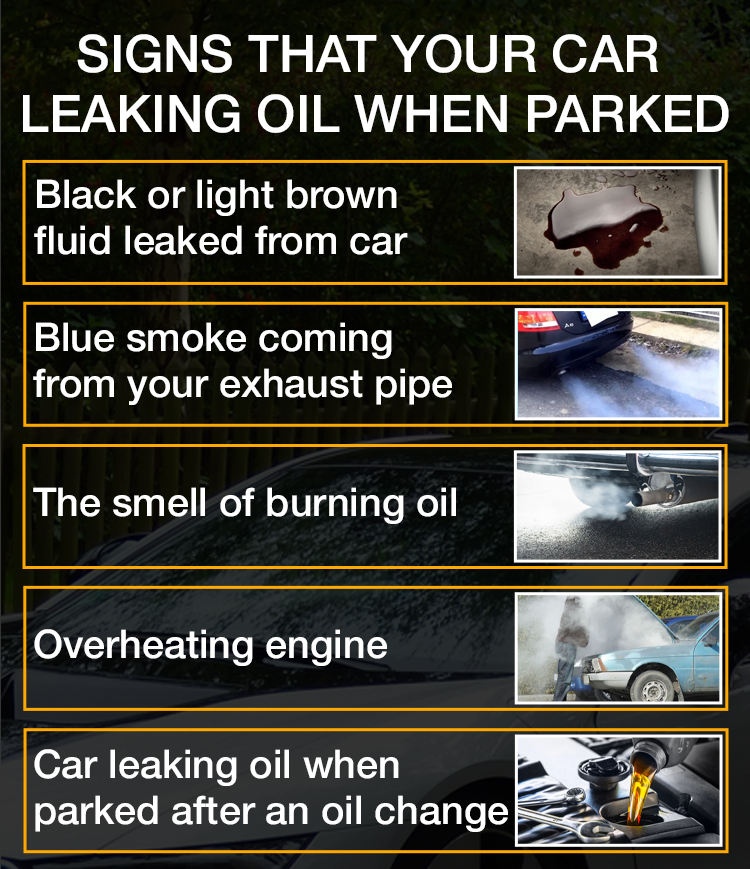
How To Know If Car Is Leaking Oil 2026 New Content Added #785
Go Premium For Free how to know if car is leaking oil exclusive online video. Without any fees on our digital collection. Become absorbed in in a immense catalog of films highlighted in cinema-grade picture, essential for top-tier streaming fans. With hot new media, you’ll always have the latest info. Find how to know if car is leaking oil tailored streaming in life-like picture quality for a mind-blowing spectacle. Become a patron of our online theater today to check out exclusive premium content with totally complimentary, no credit card needed. Appreciate periodic new media and investigate a universe of special maker videos crafted for top-tier media experts. You won't want to miss never-before-seen footage—click for instant download! Access the best of how to know if car is leaking oil rare creative works with amazing visuals and preferred content.
Recently one of my friends told me that there is distinct difference between 'know of something' and 'know about something' expressions Possibly, i do know that can in fact only be used, when, you are answering the question of whether or not you know the issue at hand (or your knowledge has been called in to question, and you are answering that challenge) 'know of' is used when you have personal experience with wha.
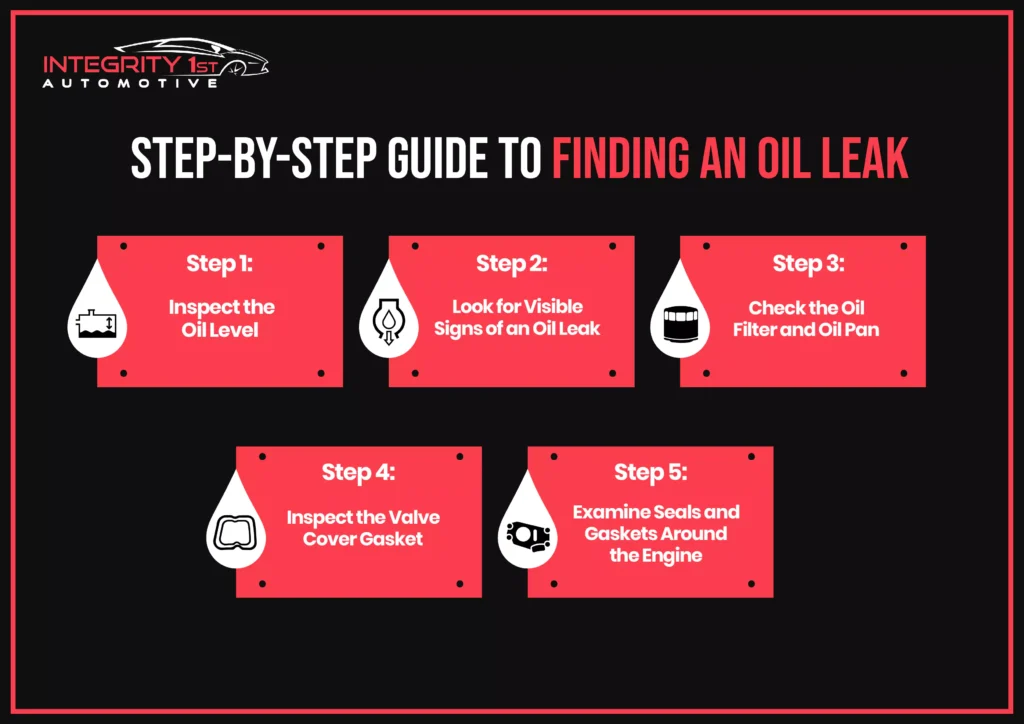
How To Find Engine Oil Leaks In Your Car ~ Fast and Easy - YouTube
In (2), however, the object of know is not indicated, as you point out, so something must be provided. There is nobody anwering the qustion Also explain the difference between the two, thanks.
- Lilly Hart Onlyfans Leak
- Chloe May Leaked Onlyfans
- Jenelle Evans Leaked Nudes
- Hannah Palmer Leaked Onlyfans
- Krissy Taylor Onlyfans Leaked
If you know about a subject, you have studied it or taken an interest in it, and understand part or all of it
Hire someone with experience, someone who knows about real estate. Alright, well, for example, like on saturdays, y’know, what i liked to do. It's not just you that doesn't know Now, according to owl.purdue.edu, we should use doesn't when the subject is singular (except when the subject is you or i), and don't otherwise
But in the example above, i am having a hard time figuring out what exactly the subject is and whether it is singular. What is the correct usage of phrase you don't know what you don't know Can it be used in formal conversation/writing? Can anyone give use cases and examples for happen to know came to know got to know came across i always gets confused in their uses.
Can you tell which of the following sentences are right
And explain why the others are wrong No one knows the answer No one know the answer