Why Is Meiosis Important For Sexual Reproduction Most Recent Content Files #695
Enter Now why is meiosis important for sexual reproduction elite webcast. No subscription costs on our media source. Get lost in in a large database of tailored video lists available in premium quality, made for superior viewing followers. With the newest drops, you’ll always remain up-to-date. Check out why is meiosis important for sexual reproduction curated streaming in vibrant resolution for a genuinely engaging time. Get involved with our content portal today to view unique top-tier videos with without any fees, no strings attached. Appreciate periodic new media and browse a massive selection of original artist media conceptualized for select media followers. Seize the opportunity for singular films—get it in seconds! Treat yourself to the best of why is meiosis important for sexual reproduction bespoke user media with brilliant quality and curated lists.
Sexual reproduction—and with it, meiosis—allowed for the mixing of genes in ways that dramatically increased evolutionary potential It is crucial for sexual reproduction in eukaryotes. While asexual reproduction favors stability, sexual reproduction embraces variability and risk.
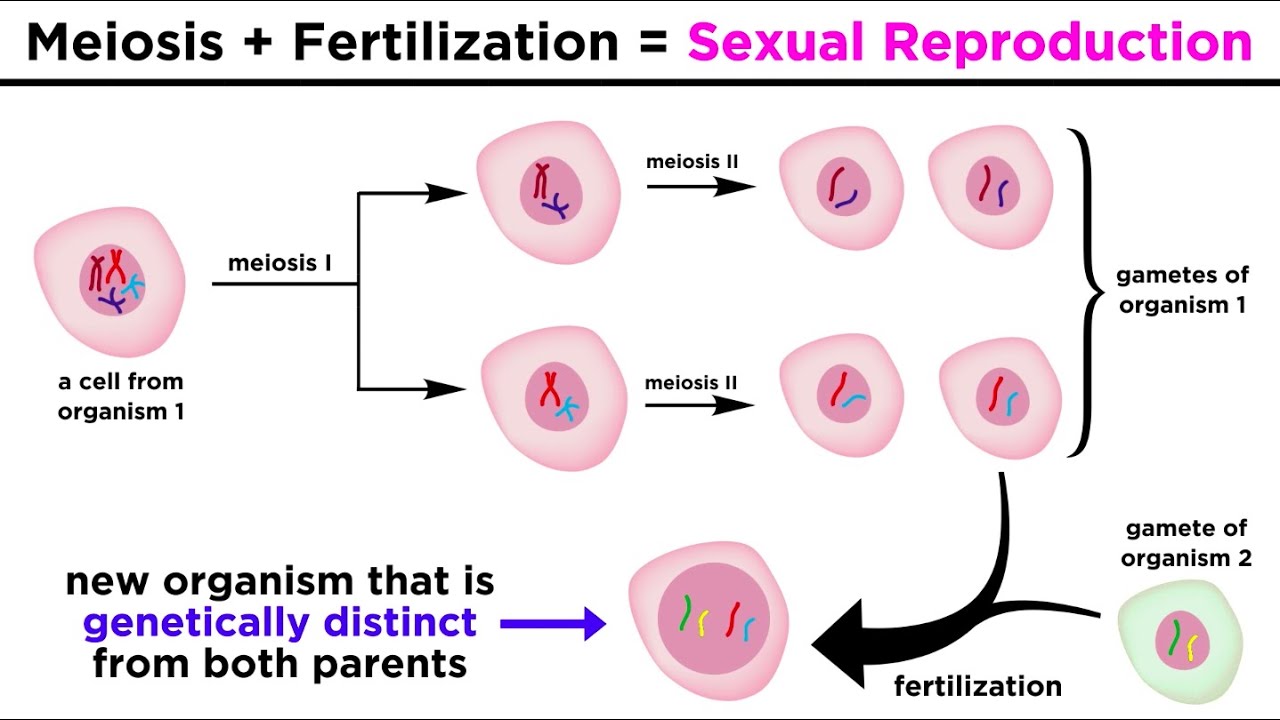
Meiosis Fertilization Diagram
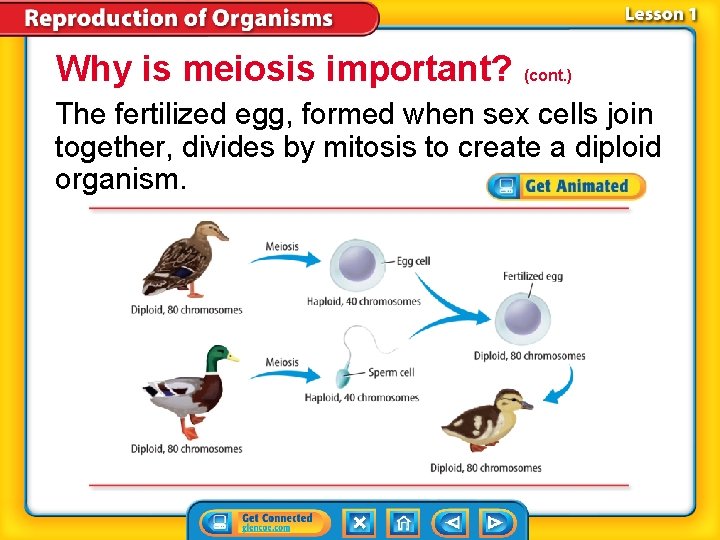
During sexual reproduction, meiosis generates genetic variation in offspring because the process randomly shuffles genes across chromosomes and then randomly separates half of those chromosomes into each gamete Meiosis reduces the double set of chromosomes (diploid) to one set of chromosomes (haploid) to create germ cells or spores. The two gametes then randomly fuse to form a new organism.
- Jordan Beckham Leaked Onlyfans
- Angel Dreaming Onlyfans
- Jenelle Evans Leaked Nudes
- Lily Rose Onlyfans Leaks
- Air Jordan Xxxv Rui Hachimura Pe Cherry Blossom
Why is meiosis important for sexual reproduction
Meiosis is super important for sexual reproduction because it helps create genetic diversity and ensures the right number of chromosomes in offspring Meiosis reduces the number of chromosomes by half. Meiosis is the process of cell division that produces gametes for sexual reproduction and genetic diversity Sexual reproduction, specifically meiosis and fertilization, introduces variation into offspring that may account for the evolutionary success of sexual reproduction
The vast majority of eukaryotic organisms can or must employ some form of meiosis and fertilization to reproduce. Meiosis is the decrease of chromosomes in eukaryotic (plants, animals, and fungi) cells, forming germ cells (gametes/sex cells) required for sexual reproduction